Your Brain on AI, Rare Earth Race, College Enrollment Cliff
China's rare-earth dominance is driving U.S. efforts to secure supply, while the sector still faces financing and pricing challenges. Speakers weigh AI's potential productivity gains against risks to human connection and safety, as well as the pressure to deploy the technology at scale. Separately, demographic decline is set to squeeze colleges unevenly, prompting questions about costs, closures, and how institutions can adapt.
Preview · 21 more points in the app
Read the Full SummaryKey Takeaways
China’s near-monopoly on rare earths and threatened supply cuts have made magnet sourcing a national-security issue: GM says it is shifting EV traction-motor sourcing primarily to the United States, where MP Materials is expected to become its primary North American supplier if its production plan succeeds. GM says EVs use about 200 magnets versus roughly 50 in combustion-engine vehicles, and its commitment helped MP accelerate downstream investment.
The federal government made rare earths a national priority by taking a minority stake in MP Materials and awarding it a $35 million supply contract, while a rare-earth industry commentator argues that government support should not extend to equity stakes that could shift control away from companies. The commentator also says recurring financing needs reflect the high cost of mines and specialized processing facilities.
Rare earths lack copper’s transparent London Metals Exchange pricing mechanism, and an industry commentator says objective prices require better data on deposits, composition, size, and economic viability. That pricing gap matters in a market where China has substantial supply leverage and has built an approximately 25-year downstream head start, according to MP Materials’ CEO.
Kevin Hassett argues that conventional price measures may understate AI’s productivity contribution because they miss quality improvements; he compares this with computing in the 1990s and recalls that applying the computer deflator to communications would have put GDP growth about 1.5 percentage points higher. He also cites studies finding that firms adopting AI see sales, employment, and wages rise as workers become more productive.
GEO-POLITICS
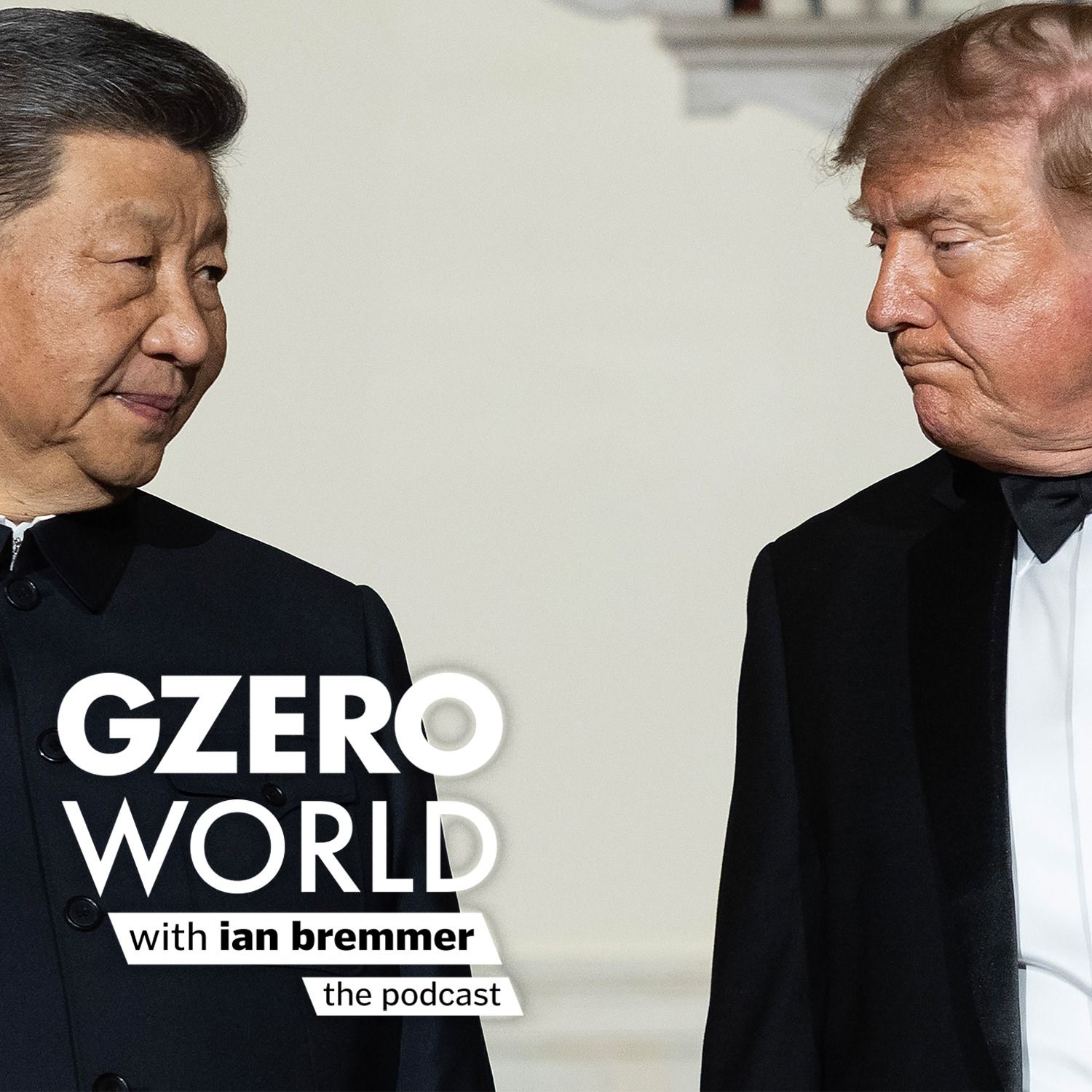
“Hanging over President Trump's meeting with Chinese President Xi last week was the risk of China cutting off the supply of rare earth minerals…”—
“The Trump administration made rare earth minerals a national priority in the face of Chinese threats oversupply…”—
TECHNOLOGY
“And so now the deflators, I think, some we have to study how to do this, but think about how much better AI is now compared to a year ago…”—
“It's an AI school called the Horowitz Andreessen Academy…”—
“We have lots of good reasons to be worried, but the real question is not whether AI will destroy humanity, but whether it will change what it means to be…”—
ECONOMY
“So we reduced federal employment by 300 something thousand workers. That's a budget saving if we keep it there of about $500,000,000,000 over ten years.”—
“So if you don't want a data center in your town, nobody's going make you have a data center in your town…”—
“And so I did a memo for Greenspan that's presumably foible now after all these years, where I said if we just were to take the communications deflator and treat…”—
MARKETS
“When you look at an element like copper, which is also on almost everybody's critical minerals list, copper is traded through the London Metals Exchange at a transparent pricing mechanism…”—
“In a combustion engine, we use about 50 different magnets across the vehicle. In an electric vehicle, we use about 200 different magnets…”—

Hassett’s Growth Outlook
Kevin Hassett argues that federal workforce cuts, AI adoption, and productivity gains support growth, while acknowledging that deficits and higher interest costs remain challenges.
AI And Human Thinking
The episode turns to whether AI will reshape how people think and relate to one another, beyond the technology’s direct effects on jobs and productivity.
AI And Human Connection
Michael Sandel warns that AI could weaken presence, community, and authentic relationships, while Vanderbilt’s chancellor argues education should pair technological fluency with independent thought.
AI Ethics And Agency
Megan Sullivan describes the pressure to deploy AI at scale before adequate safety review, but argues users also have meaningful agency over how the technology enters daily life.
China’s Rare Earth Lead
The report examines China’s long-standing rare-earth dominance and MP Materials’ effort to rebuild an American supply chain from mining through magnet production.
Rare Earth Financing Risks
Speakers question whether government investment can solve the sector’s financing needs, noting that mines and processing facilities are costly and rare-earth pricing lacks transparency.
America’s College Enrollment Cliff
A shrinking college-age population threatens enrollment and budgets, but Bowling Green State University began adapting after anticipating the demographic downturn.
Regional Enrollment Divide
College enrollment prospects vary sharply by region, and declining student numbers can worsen finances, reduce support, and accelerate closures, especially at smaller colleges.
Bowling Green’s Adaptation
Bowling Green State has differentiated itself with career-focused programs and student engagement, while Harvard’s David Deming sees potential for colleges to improve efficiency and outcomes.
College Town Economic Impact
College closures could ripple through small-town employment and businesses, while Bowling Green’s enrollment growth is supporting housing demand and local development.
Related Episodes






Important Disclaimers
Not Investment Advice: For education only — not financial, tax or legal advice.
AI-Generated: Made by AI from source transcripts and may contain errors.
No Guarantees: Past performance does not predict future results; investing carries risk.
Our Commentary · Request Removal