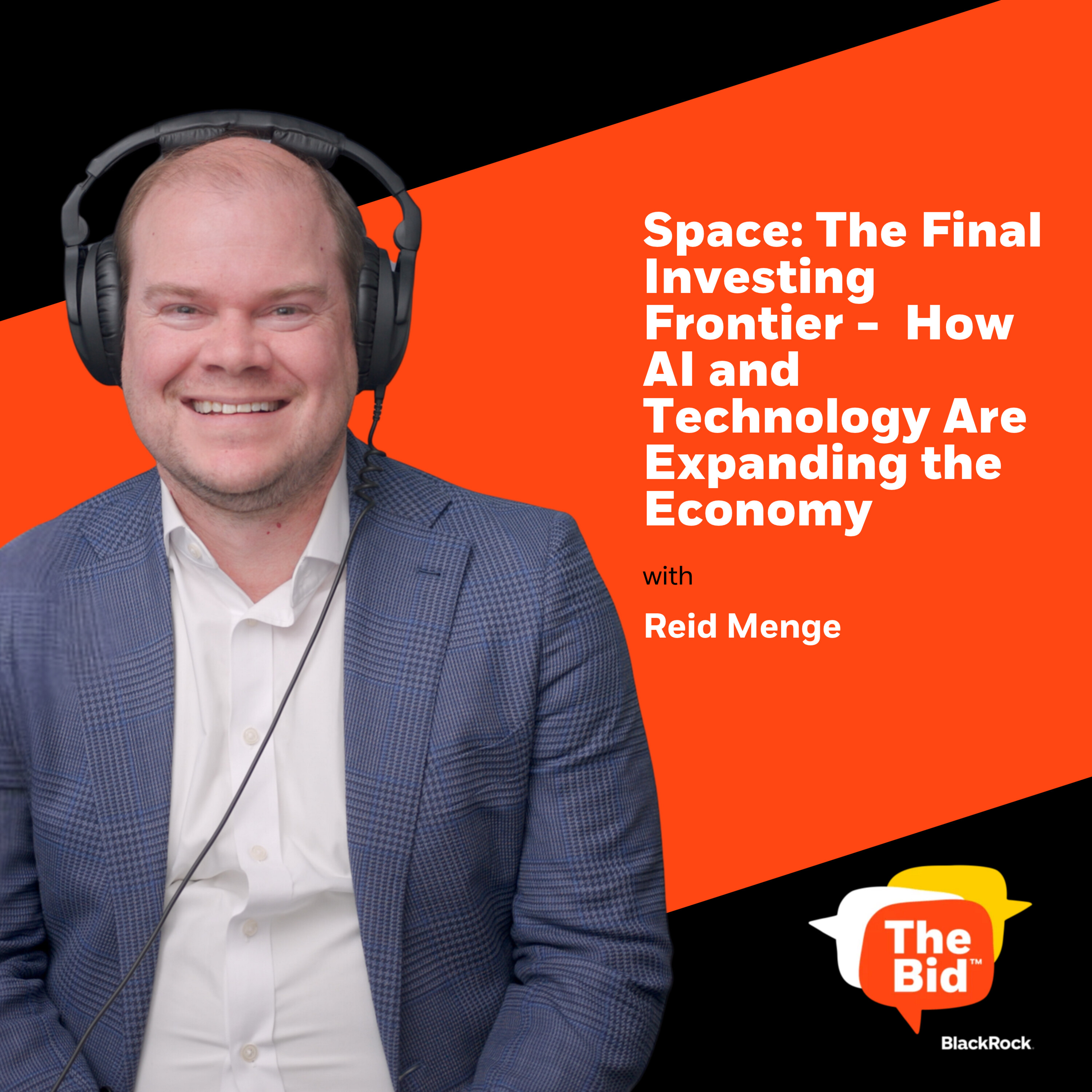
272: Space, The Final Investing Frontier - How AI and Technology Are Expanding the Economy
The guest describes how falling launch costs and smaller, cheaper satellites are expanding the uses of space, from GPS and satellite imagery to potential orbital data centers. He argues that public investment supports commercial R&D and that space-based AI compute could reduce some power costs, while emphasizing launch execution risk. A first AI compute demonstration in space could come in the fourth quarter of 2027, with broader industry growth depending in part on how quickly launch costs fall.
Preview · 8 more points in the app
Read the Full SummaryKey Takeaways
The guest links the U.S. Space Force’s growing national-security role to major funding: he says its budget is expected to double next year and reach about 5% of the defense budget. The 30 government GPS satellites support navigation for planes and ships and location services such as Uber, while the guest also cites protecting vulnerable GPS satellites as a security priority.
The guest says SpaceX’s Falcon 9 has cut the cost of sending mass to orbit from about $54,000 to about $3,000 per kilogram, while Starship could lower it to about $200. He argues that faster-than-expected cost declines could make the space economy much larger and speculates that cheaper, more reliable access could help create new trillion-dollar companies in the mid-2030s; slower declines could push development out.
The guest sees orbital data centers as a possible way to add capacity while avoiding some terrestrial constraints, and argues that space-based AI compute could reduce power costs: solar generation in space is about five times more efficient than on Earth, with power among roughly $20 billion in non-compute costs for one gigawatt of AI compute. He says an initial AI compute server proof of concept in space could come in the fourth quarter of 2027, followed by a scaled demonstration in 2028.
GEO-POLITICS
“The United States created its first new armed national service since 1947 with the US Space Force back in 2019. But this is a critical new piece of national defense…”—
TECHNOLOGY
“There's, as we speak, 30 US government GPS satellites circling above us. They're doing more than just positioning planes and ships…”—
“The US grid, frankly, global energy grids were not designed to provide power the speed at which companies would love to expand their AI compute capacity. So time to power…”—
“Historically, to get mass to orbit, it would cost about $54,000 per kilogram…”—
ECONOMY
“This money that's going in from the government into the commercial space industry was really funding the r and d, better rockets, better satellites, better communication equipment…”—
FORECASTS
“And so from a timing perspective, there's gonna be the first real demonstration of this concept of a server running AI compute in space, probably q four of twenty twenty…”—
“We're gonna start there. If it's faster than expected, we're gonna have a much larger space economy…”—
Space Economy Today
Menge says space already supports defense, GPS, commercial navigation, weather services, and data applications, while investors are only beginning to treat it as an economic theme.
Launch Cost Revolution
Reusable rockets could sharply lower the cost of reaching orbit, while much smaller and cheaper satellites expand commercial capabilities and government demand supports the sector.
Satellite Demand Drivers
Menge connects falling launch costs and smaller satellites to expanding uses such as direct-to-device connectivity and frequent Earth observation, with public spending helping fund innovation.
Orbital AI Data Centers
Menge argues that AI increases the value of satellite data, while orbital data centers could ease terrestrial power, land, and cooling constraints; he expects an initial demonstration in late 2027.
AI Power Economics
The guest says data-center economics hinge on time to power and capital, and that space-based solar generation and cooling could reduce some infrastructure costs.
Space Force And Defense
Menge describes satellites as essential to modern warfare and says government investment in commercial research and development can improve both national security infrastructure and private-sector costs.
Space Investment Opportunities
Potential opportunities include semiconductor and rocket suppliers, satellite services, Earth-observation data, orbital-debris cleanup, and companies positioning for future space-based AI compute.
Launch Execution Risks
Menge cautions that lower costs and smaller satellites could transform the industry, but launches remain difficult, failures are common, and execution risk is substantial.
Orbital Growth Outlook
The industry's future depends on how quickly launch costs fall and where AI compute is built; Menge compares space's early potential to the Internet's unforeseen transformation.
Related Episodes




Important Disclaimers
Not Investment Advice: For education only — not financial, tax or legal advice.
AI-Generated: Made by AI from source transcripts and may contain errors.
No Guarantees: Past performance does not predict future results; investing carries risk.
Our Commentary · Request Removal