271: David Rubenstein, Co-Founder of The Carlyle Group, on the Business of Sports, Investing and Leadership
Rubenstein discusses how technology is reshaping baseball and warfare, including AI, quantum computing, RNA advances, and drones. He frames his Orioles ownership as a civic investment in Baltimore, while noting the long-term nature of sports ownership, the importance owners place on winning, and the role of media rights in franchise values. He believes sports franchise prices may eventually plateau, despite continued investor interest.
Preview · 10 more points in the app
Read the Full SummaryKey Takeaways
Rubenstein describes buying the Orioles as a civic gesture amid Baltimore’s population loss, shrinking tax base, and loss of corporate headquarters, rather than as a private-equity-style return play. He also points to Camden Yards’ downtown location and design as a way the team drew fans and helped shape later ballparks.
Rubenstein says sports owners often take more pride in winning and improving their teams than in maximizing financial returns, while still needing investment discipline. He contrasts franchises that owners may hold for decades with private-equity investments’ typical five-to-seven-year exit horizon, and cites the Orioles’ late-season spending on a Mets player as a bid to improve their playoff chances.
Rubenstein says franchise values have benefited from lucrative TV contracts and strong live-sports viewership, citing live sports among 95 of the 100 most popular U.S. TV shows in recent years. He contrasts the Yankees’ $8.8 million 1972 purchase price with a current value of about $10 billion, while cautioning that franchise prices are unlikely to rise indefinitely and may eventually plateau.
TECHNOLOGY
“Now every team has detailed analytical staffs, and now increasingly these staffs are using AI. So increasingly AI will be used and some will use it better than others…”—
“Quantum computing has always been said to be five years from now…”—
ECONOMY
“When I grew up in Baltimore, it was the ninth biggest city in The United States in the 1950s and 60s…”—
MARKETS
“In the private equity world, you're trying to make money and you're always looking at certain rates of return…”—
“There's no doubt today that a lot of people are attracted to it because the profitability seems to be pretty high if you get lucky and you get it at…”—
“The stadium is called Camden Yards…”—
FORECASTS
“The Orioles came to Baltimore in 1954 for a purchase price of $2,200,000 My partners and I paid $1,700,000,000 So the prices have gone up and a lot of people…”—
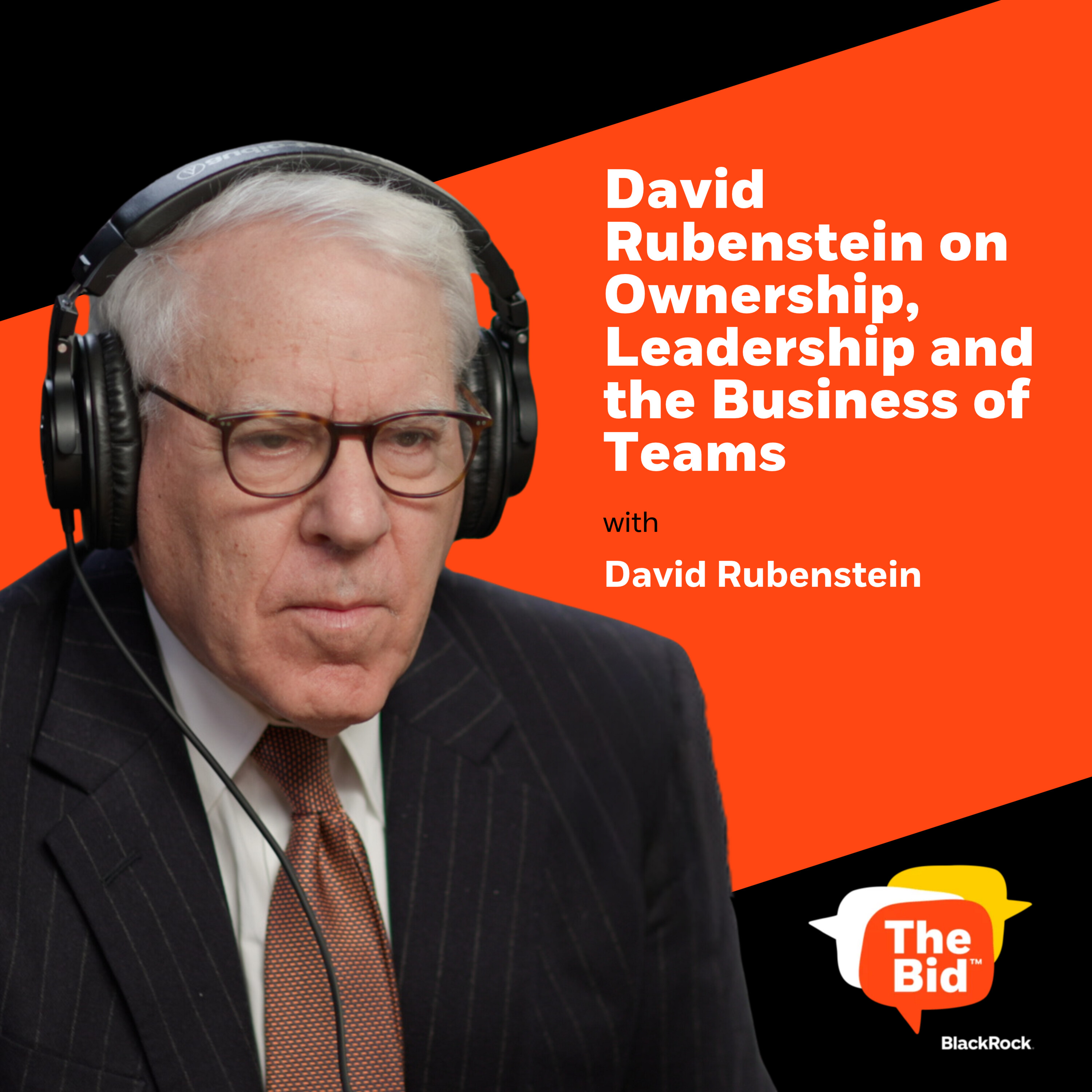
Rubenstein Buys The Orioles
Rubenstein says he bought the Orioles primarily to give back to Baltimore, viewing ownership as a civic investment rather than a conventional private-equity play.
Baltimore's Civic Stadium
He explains how the Orioles and Camden Yards can support Baltimore's downtown revival, while describing stadium upgrades aimed at improving the fan experience.
Baseball's Emotional Business
Rubenstein says fans connect their local team's success to their own identity, and that owners take greater pride in winning and community impact than in rising franchise values.
Sports Ownership Leadership
He describes sports ownership as a long-term leadership role, balancing the drive to win with financial discipline and delegating baseball and business operations to capable executives.
Franchise Values And Media
Rubenstein attributes rising team values to lucrative media deals, expanded leagues, and strong live-sports audiences, while warning that franchise prices may eventually plateau.
AI In Baseball Analytics
He expects AI to become increasingly important across sports, extending baseball's use of analytics and helping teams make more data-informed decisions.
Quantum And Biotech Investing
Rubenstein points to quantum computing, RNA-based medicine, biotech, and space as areas with potential, while noting that smaller investors can access sports through partnerships.
Defense Technology And Baseball
He says drones are changing warfare and may draw investment into aerospace defense, then reflects on his childhood Orioles fandom and the memories that made baseball meaningful.
Closing And Disclosures
The host thanks Rubenstein, promotes the next episode, and closes with BlackRock's informational and regulatory disclosures.
Related Episodes


Important Disclaimers
Not Investment Advice: For education only — not financial, tax or legal advice.
AI-Generated: Made by AI from source transcripts and may contain errors.
No Guarantees: Past performance does not predict future results; investing carries risk.
Our Commentary · Request Removal