Match Group CEO: Digital Dating, What Makes a Good Profile and the Loneliness Epidemic
Digital dating has become a major way people form relationships, and Match Group’s CEO discusses how recommendation changes and Tinder’s scale shape the user experience. He also considers how dating habits differ across generations, including Gen Z’s move toward group settings and the possibility that online dating broadens social connections. The company is seeking to reposition Tinder for younger users while building a culture that rewards innovation.
Preview · 13 more points in the app
Read the Full SummaryKey Takeaways
Online dating is now a major way couples meet, with the host saying 40% meet online; the Match Group CEO also cites research finding lower divorce rates among people who met online, while presenting greater socioeconomic diversity as an unstudied possibility.
Tinder's global reach—number one in 166 countries, with many tens of millions of women users—sits alongside a young audience: the CEO says about 60% of Tinder and Hinge users are Gen Z, with a typical user around 25. He says that scale offers users a wide selection of potential matches in a city.
The Match Group CEO describes Gen Z dating as increasingly social, with some users spending weeks or months getting to know people in groups before pairing off; he links the shift partly to pandemic disruptions to relationship-building and conversational skills. He says Gen Alpha is dating more traditionally and lacks that pandemic-related “scar tissue.”
TECHNOLOGY
“40% of couples today meet online. Not through friends, not at work. So, this is one of the biggest shifts in human behavior that we have ever seen.”—
“What we've recently done was we've done what we call queue unification where we've combined all of these decks into one and then resorted the cards…”—
“So if you were mostly meeting people through your social network in real life or through friends, you're going to end up with people of a more similar socioeconomic or…”—
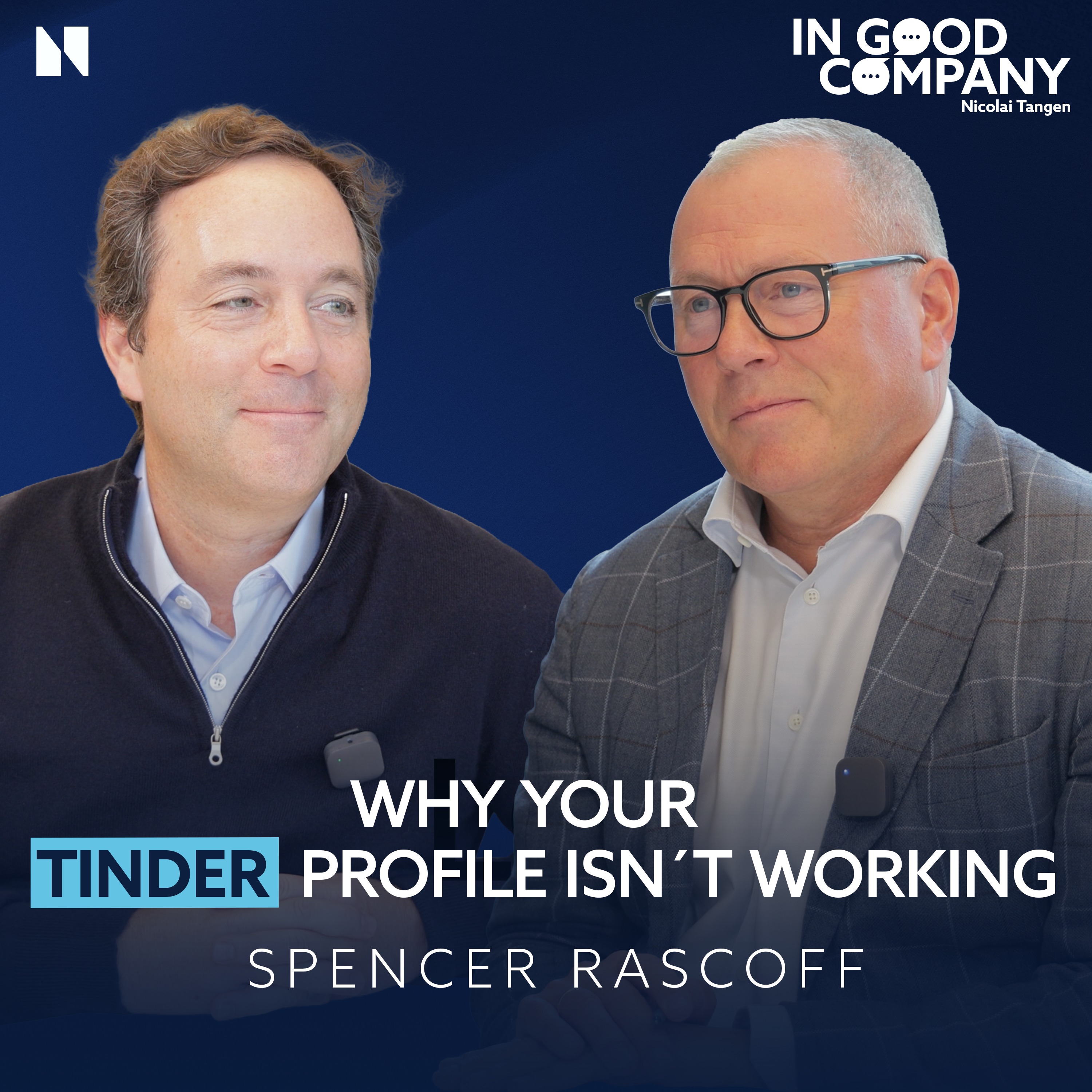
Match Group Recommendations
Roskoff explains how Match Group unified recommendation queues, plans real-time personalization, and uses richer profiles and contextual likes to improve matches.
Tinder Profile Signals
Roskoff says complete, varied profiles with prompts and activity photos tend to work better, while the ideal profile depends on whom a user hopes to attract.
Online Dating’s Wider Reach
Roskoff says traditional socioeconomic dating patterns may persist, but online dating can expose people to more varied potential partners than their existing social circles.
Gen Z Social Dating
Roskoff says Gen Z often sees one-on-one dates as high-pressure, partly after pandemic disruption, and increasingly prefers meeting through groups and shared activities.
Loneliness And Connection
Roskoff describes loneliness as a major health and social crisis, citing phones, remote work, weaker institutions, and economic pressures, while arguing dating apps can help people connect.
Tinder Double Date
Roskoff describes Tinder’s events and Double Date features as lower-pressure ways to meet, and explains how dating customs differ across regions and communities.
AI Dating Assistance
Roskoff says AI has reshaped Match Group’s work and can help users communicate more thoughtfully and build fuller profiles without making them seem inauthentic.
Match Group Turnaround
Roskoff says Match had lost focus on innovation, so he prioritized listening, employee engagement, product research, and rebuilding Tinder’s roadmap before monetization.
Innovation-First Culture
Roskoff describes rewarding experimentation, hiring curious builders, and drawing on his startup experience to change Match Group’s culture and organization.
Roskoff Beyond Work
Roskoff discusses pickleball, family, history reading, and the leadership lessons he takes from industrial-era business figures and presidential communicators.
Personal Lessons And Regrets
Roskoff names Theodore Roosevelt as an inspiration, reflects on family regrets, and shares his competitive chess background and upbringing around touring musicians.
Early-Career Advice
Roskoff advises young workers to seek in-person learning, prioritize education over immediate pay, and put in sustained effort early in their careers.
Related Episodes




Important Disclaimers
Not Investment Advice: For education only — not financial, tax or legal advice.
AI-Generated: Made by AI from source transcripts and may contain errors.
No Guarantees: Past performance does not predict future results; investing carries risk.
Our Commentary · Request Removal